• Skip to primary navigation
  • Skip to main content
  • Skip to primary navigation
  • Skip to main content
Choose which site to search.
University of Arkansas for Medical Sciences Logo University of Arkansas for Medical Sciences
Arkansas Geriatric Education Collaborative
  • UAMS Health
  • Jobs
  • Giving
  • About Us
    • Director of the UAMS Arkansas Geriatric Education Collaborative
    • Meet the Team
      • AGEC Faculty & Staff
    • AGEC Quarterly Newsletter
    • Our Academic and Community Partners
    • Contact Us
  • Health Professionals/CE
    • Upcoming CE Webinars
      • UAMS Geriatric Project iECHO
      • CE Event: Cannabis Use in Older Adults: Emerging Evidence, Ongoing Questions
    • Watch Previous CE Webinars
    • Alzheimer’s & Other Dementia Education Programs
    • Conferences/Special Events
  • Programs for Older Adults
    • Resources for Older Arkansans
    • Online Community Programs
    • Dementia Programs for Family Caregivers
    • Mind and Body Programs
    • Healthy Lifestyle, Disease Management for Older Adults (Seniors)
  • Popular Resources: Caregiver Toolkit
    • Popular Resources
    • Caregiver Tip Cards
    • Caregiver Resources Available in Spanish
    • Recursos en español Para Cuidadores
    • Senior Medicare Patrol (SMP)
  • NEW Become a Dementia Friend
  • Calendar
  1. University of Arkansas for Medical Sciences
  2. Arkansas Geriatric Education Collaborative
  3. Newsletter
  4. Page 4

Newsletter

UAMS PatientsLearn: Free Educational Programs for Older Adults and Caregivers

Spring 2022 Newsletter

logo

By Whitney Thomasson, MAP, CRS
Research Assistant
UAMS Arkansas Geriatric Education Collaborative (AGEC)

The Arkansas Geriatric Education Collaborative (AGEC) has worked in partnership with the UAMS Institute for Digital Health & Innovation (IDHI) via PatientsLearn to provide free, on-demand, virtual educational programs for older adults on a variety of topics such as disaster preparedness and social isolation. UAMS PatientsLearn is an online medical education hub, with a patient-centered approach for health and wellness resources. In total, 7 AGEC programs are available, ranging from about 25 minutes to 1 hour in length. These programs can be valuable educational tools for older adults, caregivers, and healthcare professionals for referral resources. Registration is free, simple, and available nationwide. Click here for our available programs via UAMS PatientsLearn.

  • Recognizing & Preventing Social Isolation: This program educates participants on both the warning signs and the effects of isolation and loneliness. Tips for prevention are shared, along with resources for both older adults and caregivers facing these issues.
  • Heart Health & Brain Health: This program helps viewers better understand the connection between heart and brain health. Risk factors and prevention measures for stroke, dementia, and heart disease are also discussed.
  • Eat Well Live Well: Through utilization of the Dietary Guidelines for Americans, this program defines terms about diet and nutrition, and highlights reliable dietary resources. Eat Well Live Well aims to guide older adults in developing healthy dietary patterns.
  • Understanding Dementia & Alzheimer’s Disease: This program was created for family caregivers and community members alike to gain awareness and knowledge about dementia and Alzheimer’s disease. Normal aging vs dementia is discussed, along with risk factors, the stages of Alzheimer’s disease, and dementia-friendly communication skills.
  • Understanding Opioids: The definition and examples of opioids are covered in this program, along with a background of the opioid epidemic and its effect on prescriptions. Best practices after receiving a prescription opioid are addressed, along with a variety of non-opioid pain management alternatives. Free chronic pain booklets are available for viewers.
  • Fall Prevention & Home Safety: In this program, viewers learn about how to identify and prevent the risk of falls, the physical and mental consequences of falling, resources for safety checks, and exercises for fall prevention. Tips for improving an older adult’s balance, as well as for improving home safety, are discussed.
  • Disaster Preparedness for Seniors: In collaboration with the American Red Cross, preparedness tips for many types of disasters (weather, climate, home fire/flood, etc.) are covered. Emergency kits, evacuation plans, as well as best practices for caring for a loved one with dementia in a disaster are covered in this program.


All of the above programs are available 24/7, at no cost, via UAMS PatientsLearn. Be sure to check back later in 2022 for additional programming. Please share these programs with older adults and caregivers in your circles who may benefit from this education!

Filed Under: AGEC, Newsletter, UAMS

From the Director’s Desk

Winter 2022 Newsletter

logo

By Robin McAtee, PhD, RN, FACHE, Director, Arkansas Geriatric Education Collaborative (AGEC), a Geriatric Workforce Enhancement Program (GWEP) at the University of Arkansas for Medical Sciences (UAMS) Donald W. Reynolds Institute on Aging (DWR IOA)

Happy New Year to all of you from the Arkansas Geriatric Education Collaborative staff! As we have attempted to settle back into routines after the holidays, I suspect many of you may be struggling a bit, just as we are here at the AGEC. We had just begun to get back out into the communities with robust programming when Omicron decided to visit. Here we go again! 

On the positive side, after almost two years, we have all learned new skill sets! We can effectively work remotely: we can teach and learn, we can conduct community education and exercise activities, we can “meet”, we can still deliver great outcomes, and most of all – we have learned that no one cares what we look like on Zoom!

Fall of 2021 was very busy for AGEC. We met with our HRSA project officer in October and reviewed our quarterly report where we were congratulated on all of our accomplishments, including our MIPS and age-friendly training with our clinical partner, ARcare. A special thanks and shout out to our lead partner at ARcare, John Beard, and Dr. Leah Tobey, here at the AGEC, for their tireless training and reporting which is required to meet objectives of this grant!

AGEC also continued with webinars with Dr. Lee Isaac in October where he presented Diversity in Dementia, and Dr. Jonathan Laryea who spoke in December regarding Older Adults and Constipation. Dr. Tobey and Ms. Spradley from the AGEC also spoke at the Reynolds Institute on Aging 5th Annual Dementia Update to caregivers, and I presented at the Dementia Update to the healthcare professionals regarding: What Matters Most: A critical part of the dementia care equation.

We had a plethora of special events during November that aligned with National Family Caregiver Month, and they were all very well received. AGEC Podcasts are doing well and  Vanessa Lee & Laura Spradley spent time being guests on The Vine, a KTHV Channel 11 morning program, where they spoke about AGEC caregiver-related programs in November and appeared again in December. 

As we buckle down for what are usually the worst winter months in Arkansas, January and February, let’s keep working and helping our older adults. Let’s keep learning and improving our knowledge and skills for them!

Stay warm and safe!

Filed Under: AGEC, Newsletter, UAMS

Taking a Deeper Look at Aducanumab

Winter 2022 Newsletter

This image has an empty alt attribute; its file name is Logo-UAMS-Reynolds-Inst-stacked.jpg

By Jasmine (Sea) An, PharmD, PGY2 Geriatric Pharmacy Resident, and Lisa C Hutchison, PharmD, MPH
University of Arkansas for Medical Sciences (UAMS) College of Pharmacy


In June 2021, the U.S. Food and Drug Administration (FDA) approved the first-of-its-kind monoclonal antibody indicated for treatment of Alzheimer’s disease in patients with mild cognitive impairment or mild stage of disease. Despite this groundbreaking approval, controversy surrounds the drug.

Aducanumab (Aduhelm) is an anti-amyloid monoclonal antibody directed against aggregated amyloid beta (AAB) plaques, which is a defining pathophysiological feature of Alzheimer’s disease.1 Administration requires infusion over a 1-hour period every 4 weeks. The dose is slowly titrated to meet the goal dose (10 mg/kg) by the seventh infusion. According to the FDA label, no diagnostic tests are required to confirm the presence of AAB plaques prior to initiating this therapy. However, patients are required to obtain magnetic resonance imaging (MRI) at baseline and prior to their seventh and twelfth dose to screen for potential adverse events. The FDA label does not specify any contraindications.

Part of the controversy with aducanumab is the limited data available to evaluate the efficacy of aducanumab. Approval was based on two phase-3 trials. Phase-3 trials help confirm effectiveness and safety of investigational drugs. Both trials were terminated early due to clinical futility. However, Biogen, the manufacturer of aducanumab, subsequently conducted post hoc analysis of the data from the terminated trials to present to the FDA.

The two trials are called ENGAGE2 and EMERGE3. Both trials were 18-month, double-blind, randomized, placebo-controlled, parallel group studies. Patients received placebo, low-dose aducanumab (3 or 6 mg/kg), or high dose aducanumab (6 or 10 mg/kg). Some of the major exclusion criteria were:

  • age over 85,
  • transient ischemic attack or stroke within one year prior to screening,
  • contraindications to having a brain MRI or PET scan, and
  • use of medications with platelet antiaggregant or anticoagulant properties.2,3

The primary endpoint was changes from baseline in Clinical Dementia Rating Scale Sum of Boxes (CDR-SB), and secondary endpoints were changes from baseline in Mini-Mental State Exam (MMSE), Alzheimer’s Disease Assessment Scale-Cognitive Subscale (ADAS-Cog), and Alzheimer’s Disease Cooperative Study Activities of Daily Living MCI (ADCS-ADL-MCI). Both trials showed statistical reduction in AAB plaque compared to baseline. However, neither trial showed statistically significant difference in clinically useful endpoints for low-dose aducanumab.4 As for high-dose aducanumab, there were mixed results with the EMERGE trial showing statistical significance in the primary endpoint while the ENGAGE trial not showing any statistically significant difference.4

In addition to the question of efficacy, safety is another concern. Specifically, amyloid-related imaging abnormalities edema (ARIA-E) occurred in 35% of patients who received aducanumab compared to 3% from the placebo group.4 Even though ARIA-E was found to be reversible and non-significant, symptoms such as changes in mental state, confusion, and gait disturbances may be present. Other serious adverse reactions shown on imaging were microhemorrhage and amyloid-related imaging abnormalities-hemosiderin deposition (ARIA-H) which both had ≥10% higher risk compared to placebo. Other safety concerns were headaches, falls, and diarrhea.4

Aducanumab was FDA approved through accelerated approval and Biogen must conduct a fourth randomized clinical trial to prove that aducanumab actually slows the progression of Alzheimer’s disease measured in clinical results, not just in changes in AAB plaque. Other barriers to utilizing this medication include cost. Initially Biogen indicated the estimated cost was $56,000 per year (excluding cost of administration and imaging), but that figure was lowered to $28,200 per year as of January 2022.5 Because of the lack of clear clinical improvement and safety concerns, the Department of Veterans Affairs did not include aducanumab on its national formulary6, and other major health systems such as the Cleveland Clinic and Mount Sinai have affirmed their opposition to the drug as well.7 As of January 2022, the Centers for Medicare and Medicaid Services (CMS) made a draft decision to cover aducanumab only in studies approved by CMS or supported by the National Institutes of Health. This proposal is open to public comment for 30 days and final decision will be made by April 11.8 

Despite finally having the first agent for treatment of Alzheimer’s disease, we cannot celebrate just yet. There is ambiguity in data, major safety concerns, and high potential to increase disparity in care. These issues must be considered prior to initiating aducanumab therapy.

References

  1. ADUHELM (aducanumab-avwa) . Biogen. Cambridge, MA. 2021.
  2. 221AD301 Phase 3 Study of Aducanumab (BIIB037) in Early Alzheimer’s Disease (ENGAGE). ClinicalTrials.gov identifier: NCT02477800. Updated September 2, 2021. Accessed September 17, 2021. https://clinicaltrials.gov/ct2/show/NCT02477800
  3. 221AD302 Phase 3 Study of Aducanumab (BIIB037) in Early Alzheimer’s Disease (EMERGE). ClinicalTrials.gov identifier: NCT02484547. Updated September 2, 2021. Accessed September 17, 2021. https://clinicaltrials.gov/ct2/show/NCT02484547
  4. Haeberlein SB, Hehn C, Tian Y et al. EMERGE and ENGAGE Topline Results: Two Phase 3 Studies to Evaluate Aducanumab in Patients With Early Alzheimer’s Disease: Biogen Presentation. 2020.
  5. Terry M. Biogen Cuts Price of Much-Debated Alzheimer’s Drug in Half. BioSpace. December 20, 2021. Accessed January 3, 2022. https://www.biospace.com/article/biogen-cuts-price-of-alzheimer-s-drug-aduhelm-in-half/
  6. Kansteiner F. Biogen’s controversial Alzheimer’s med Aduhelm turned away by VA on efficacy and safety worries. FIERCE Pharma. August 11, 2021. Accessed September 3, 2021. https://www.fiercepharma.com/pharma/biogen-s-alzheimer-s-med-aduhelm-absent-from-veterans-association-formulary-efficacy-and
  7. Belluck P. Cleveland Clinic and Mount Sinai Won’t Administer Aduhelm to Patients. The New York Times. July 14, 2021. Accessed September 3, 2021. https://www.nytimes.com/2021/07/14/health/cleveland-clinic-aduhelm.html
  8. Mcginley L, Goldstein A. Medicare proposes covering expensive drug for early-stage Alzheimer’s, but with restrictions that will sharply limit use. The Washington Post. January 11, 2022. Accessed January 13, 2022. https://www.washingtonpost.com/health/2022/01/11/alzheimers-drug-aduhelm-medicare-coverage/

Filed Under: AGEC, Newsletter, UAMS

New Year. New Goals. New Supplements? The Use of Probiotics in Senior Adults

Winter 2022 Newsletter

This image has an empty alt attribute; its file name is UCA.jpg

By Alicia S. Landry, PhD, RD, LDN, SNS
Department of Nutrition and Family Sciences
University of Central Arkansas

Dietary supplements can be casually grouped into a broad category of vitamins and minerals – multivitamins – that can be taken once daily to help meet the dietary recommendations of certain age groups. However, the dietary supplement industry has grown to include much more than traditional vitamin and mineral supplements and has expanded to include antioxidants, fiber, amino acids, probiotics, prebiotics, synbiotics, herbals, and protein or amino acids, among others. Dietary supplements are available in pills, capsules, liquids, gummies and can be found in energy drinks, snack bars, cookies, and other commonly available foods.

The Food and Drug Administration (FDA) regulates dietary supplement products and dietary ingredients, but under a different set of regulations than those standards for food and drug products (Nutrition, 2020). Dietary supplements are not pre-approved by the FDA for safety or effectiveness before marketing. Claims that supplement companies make and word-of-mouth may over-promise and under-deliver results for memory health, bowel movements, joint relief, and other ailments. Some dietary supplements can be very dangerous when paired with prescription drugs (i.e. St. John’s Wort and warfarin) while others may reduce efficacy (i.e. Black Cohosh and statins) and still, others may have no effect on pharmacokinetics whatsoever. There are few evidence-based research studies that ‘prove’ the effectiveness of dietary supplements. Conducting research on these items proves difficult, especially in senior adults, because the dose of active ingredients can vary across brands, ratios of fat and lean mass affect absorption, disease states and other medications interact with absorption, and as humans age the predictability and efficiency of gut functions are altered. Controlling these extraneous variables in conducting randomized-controlled research trials can seem impossible when gathering evidence to make general evidence-based recommendations about consuming dietary supplements.

While health professionals can advocate that no pill will replace nutrients in a balanced and moderate diet, sometimes supplementation is warranted (i.e. B12 deficiency). One such example of using dietary supplements to increase absorption and help positively influence gut function is probiotics. Probiotics are “live microorganisms that, when administered in adequate amounts, confer a health benefit on the host” (Hill et al., 2014). Probiotics are usually bacterial components of the normal human intestinal flora that produce as end products of metabolism, lactate and short-chain fatty acids. Lactobacilli and bifidobacteria are examples and have well-defined benefits in human health (Ouwehand et al., 2002). Other similar terms that may be mentioned in probiotic literature are prebiotics and synbiotics. Prebiotics are defined as “a substrate that is selectively utilized by host microorganisms conferring a health benefit” (Gibson et al., 2017). Synbiotics are defined as “a mixture comprising live microorganisms and substrate(s) selectively utilized by host microorganisms that confers a health benefit on the host” (Swanson et al., 2020).

Common issues seen in aging adults that can affect nutritional status and dietary intake are inflammation-related and include constipation, undernutrition, neurodegenerative diseases, metabolic disorders, and reduced immune function (Ale & Binetti, 2021). While one’s overall health depends largely on the healthy functioning of the digestive system, the advantage of probiotic use among older adults is the prevention of antibiotic-associated diarrhea and Clostridium difficile colitis infection. Depending on the strain of probiotic taken, constipation and diarrhea (Björklund et al., 2012) as well as diverticulitis, mental conditions (Inoue et al., 2018; Kim et al., 2020), the immune system (Ibrahim et al., 2010), vitamin absorption, and metabolic disorders (Cicero et al., 2021) can all be positively affected.

In one study with elderly subjects, improved mental status and reduction of depression and anxiety were noted (Inoue et al., 2018). The probiotic treatment was paired with 12-weeks of physical activity classes including resistance training. The effect solely of the probiotics cannot be determined, but it is encouraging to consider the potential benefits of a combined program such as this one. In another study, probiotics were evaluated for their role in reducing inflammation, especially neuroinflammation seen in the early stages of Alzheimer’s disease (Leblhuber et al., 2018). All in all, there may be significant and promising results from the use of probiotics. However, probiotic effects can be attributed only to the strain or strains tested and not to the species or the whole group of lactic acid bacteria. Probiotics are defined by genus, species, and strain designation. The names sound complicated, but they are important for connecting the specific probiotic strain to the strain’s published scientific literature. Furthermore, products should contain the specific strain(s) of bacteria at the same levels used in published research. Common microorganisms are Lactobacillus and Bifidobacteria as well as Saccharomyces, Streptococcus, Enterococcus, Escherichia, and Bacillus.Probiotics must have live microorganisms in the product when they are placed on the shelf and throughout their shelf life, checking the brand reputation and evidence-based literature behind the brand and strains is very important in selecting quality supplements.

Probiotics, contained in “functional foods” (foods that provide physiological benefits or reduce the risk of chronic diseases, over and above their basic nutritional value), are available in several forms with the most common being yogurt. Some brands of yogurt specifically market patented live organisms while others contain microorganisms already present in the human gut microbiota. Fermented drinks, like buttermilk, kefir, or kombucha, and dehydrated bacteria in the form of powders are also available. As with all supplements, a healthcare provider should be consulted before use, and especially with probiotics, if the patient is immuno-compromised, probiotics should be used only under the supervision of a healthcare professional. Most probiotics are sold as dietary supplements or ingredients in foods and cannot legally claim to cure, treat, or prevent disease. Claims made on a product should be truthful and substantiated, but this may not always be the case.

Consider the following tips to help your patients or loved-ones as they explore dietary supplements: (1) recommend they visit with a registered dietitian nutritionist about their diet and lifestyle, (2) be wary of claims about curing multiple diseases, (3) fact check overly impressive-sounding terms, ancient secrets, miracle cures, and statements that suggest the product can treat or cure diseases or that it is quick and effective, (4) the term “natural” does not always mean safe, and (5) items that are extremely costly may not be warranted. As a reminder, healthy daily activities like consuming a balanced diet and being physically active remain incredibly important, our combined lifestyle factors affect our gut bacteria and gut health. The registered dietitian nutritionist is the expert on the healthcare team to ask about balanced diets and dietary supplements. Maintaining a healthy gut is about more than taking a probiotic supplement; keeping our guts functioning properly is essential to overall health and well-being. 

References

Ale, E. C., & Binetti, A. G. (2021). Role of probiotics, prebiotics, and synbiotics in the elderly: Insights into their applications. Frontiers in Microbiology, 12, 631254. https://doi.org/10.3389/fmicb.2021.631254

Björklund, M., Ouwehand, A. C., Forssten, S. D., Nikkilä, J., Tiihonen, K., Rautonen, N., & Lahtinen, S. J. (2012). Gut microbiota of healthy elderly NSAID users is selectively modified with the administration of Lactobacillus acidophilus NCFM and lactitol. Age, 34(4), 987–999. https://doi.org/10.1007/s11357-011-9294-5

Cicero, A. F. G., Fogacci, F., Bove, M., Giovannini, M., & Borghi, C. (2021). Impact of a short-term synbiotic supplementation on metabolic syndrome and systemic inflammation in elderly patients: A randomized placebo-controlled clinical trial. European Journal of Nutrition, 60(2), 655–663. https://doi.org/10.1007/s00394-020-02271-8

Ibrahim, F., Ruvio, S., Granlund, L., Salminen, S., Viitanen, M., & Ouwehand, A. C. (2010). Probiotics and immunosenescence: Cheese as a carrier. FEMS Immunology and Medical Microbiology, 59(1), 53–59. https://doi.org/10.1111/j.1574-695X.2010.00658.x

Inoue, T., Kobayashi, Y., Mori, N., Sakagawa, M., Xiao, J.-Z., Moritani, T., Sakane, N., & Nagai, N. (2018). Effect of combined bifidobacteria supplementation and resistance training on cognitive function, body composition and bowel habits of healthy elderly subjects. Beneficial Microbes, 9(6), 843–853. https://doi.org/10.3920/BM2017.0193

Kim, C.-S., Cha, L., Sim, M., Jung, S., Chun, W. Y., Baik, H. W., & Shin, D.-M. (2020). Probiotic supplementation improves cognitive function and mood with changes in gut microbiota in community-dwelling older adults: A randomized, double-blind, placebo-controlled, multicenter trial. The Journals of Gerontology Series A: Biological Sciences and Medical Sciences, 76(1), 32–40. https://doi.org/10.1093/gerona/glaa090

Leblhuber, F., Steiner, K., Schuetz, B., Fuchs, D., & Gostner, J. M. (2018). Probiotic supplementation in patients with Alzheimer’s Dementia—An explorative intervention study. Current Alzheimer Research, 15(12), 1106–1113. https://doi.org/10.2174/1389200219666180813144834

Nutrition, C. for F. S. and A. (2020, February 4). Dietary Supplements. FDA; FDA. https://www.fda.gov/food/dietary-supplements

Ouwehand, A. C., Salminen, S., & Isolauri, E. (2002). Probiotics: An overview of beneficial effects. Antonie Van Leeuwenhoek, 82(1–4), 279–289.

Filed Under: AGEC, Newsletter, University of Central Arkansas

Preventing Suicide in the Aging Population

Winter 2022 Newsletter

ASU

By S. Mark Foster, DNP, APRN, FNP-BC and Jessica Erin Camp, DNP, APRN, AGCNS-BC, NE-BC, CDP
College of Nursing & Health Professions
Arkansas State University

Suicide is a significant issue in the aging population. Rates of suicide are acutely high among men ages 85 and older, who have the highest rate of any group in the country (CDC, 2014). In addition, older persons’ suicide attempts are much more likely to result in death when compared to younger people (SPRC, 2020). Some significant reasons include careful planning, lethal methods chosen, reduced likelihood of being rescued, and frailty which decreases recovery likelihood (SPRC, 2020). Therefore, as healthcare providers we need to be aware of this risk and take action to help our patients.

Arkansas’s suicide death rate increased by an alarming 41% between 2000 and 2018, according to a new analysis of vital statistics data. The increase is especially concerning because the ongoing COVID-19 pandemic is further exacerbating risk factors for suicide. Not surprisingly, given concerns about exposure to COVID-19 in emergency departments, a decline in ED visits for psychiatric complaints was reported, particularly during the early phase of the pandemic (Yard et al. 2021). Survey data also point to higher levels of suicidal ideation and attempts among adults, particularly those experiencing more COVID-19-related adversities such as social distancing policies, distress, and fear of physical harm (Ammerman, et al. 2021).  Additional risk factors that may be impactful include: economic downturn, barriers to accessing healthcare, access to suicidal ideation and inappropriate media reporting. 

Providers need to be mindful of additional factors that may impact the care of this population, such as care delivery model changes, legislation, and an uptick in the media attention surrounding mental health. Increased legislative efforts and access to healthcare through telemedicine efforts may prove to have a positive impact on suicide rates in Arkansas.  During the ongoing pandemic, mental health care faces significant challenges related to staff shortages and decreased resources.  However, telemedicine is one of the best tools to tackle these challenges and simultaneously address the expected increase in demand for mental health (Wasserman et al, 2020).

Through legislative efforts Arkansas has established its own suicide hotline that is operated by the Arkansas Department of Health.  Websites such as The American Foundation for Suicide Prevention, Arkansas Suicide Prevention, Arkansas Suicide Prevention Network, or the National Action Alliance for Suicide Prevention may also serve as additional resources for patients and healthcare professionals alike. Additionally, the integration of more suicide prevention education within academia at all levels can raise awareness of this issue.

Awareness is essential, and providers are thus well-positioned to identify high-risk patients and initiate interventions to mitigate suicide-related morbidity and mortality (Rutz, 2001). Providers should talk with their older adult patients about prevention efforts, risk factors for suicide, and protective factors to prevent patients from suicide (SPRC, 2020). Providers should be aware of common risk factors, such as depression and other mental health problems, substance use problems including prescriptions, illness, disability, pain, and social isolation, particularly since the onset of the pandemic (SPRC, 2020) (USDHHS, 2016). Providers should also know what protective factors are, such as those that seek care for their mental and physical health problems, those with social connections, and having coping and adaptation skills (SPRC, 2020).

References

Ammerman, B. A., Burke, T. A., Jacobucci, R., & McClure, K. (2021). Preliminary investigation of the association between COVID-19 and suicidal thoughts and behaviors in the U.S. Journal of psychiatric research, 134, 32–38. https://doi.org/10.1016/j.jpsychires.2020.12.037

Centers for Disease Control and Prevention. (2014). Fatal injury reports, national and regional, 1999–2014. Retrieved from http://webappa.cdc.gov/sasweb/ncipc/mortrate10_us.html

Rutz W. Preventing suicide and premature death by education and treatment. J Affect Disord. 2001 Jan;62(1-2):123-9. doi: 10.1016/s0165-0327(00)00356-6. PMID: 11172879.

Suicide Prevention Resource Center (SPRC). (2020). Older adults. Retrieved from https://www.sprc.org/populations/older-adults

United States Department of Health and Human Services (USDHHS). (2016). Facing addiction in America: The Surgeon General’s report on alcohol, drugs, and health.

Wasserman, D., Iosue, M., Wuestefeld, A., & Carli, V. (2020). Adaptation of evidence-based suicide prevention strategies during and after the COVID-19 pandemic. World psychiatry : official journal of the World Psychiatric Association (WPA), 19(3), 294–306. https://doi.org/10.1002/wps.20801

Yard, E., Radhakrishnan, L., Ballesteros, M. F., Sheppard, M., Gates, A., Stein, Z., Hartnett, K., Kite-Powell, A., Rodgers, L., Adjemian, J., Ehlman, D. C., Holland, K., Idaikkadar, N., Ivey-Stephenson, A., Martinez, P., Law, R., & Stone, D. M. (2021). Emergency Department Visits for Suspected Suicide Attempts Among Persons Aged 12-25 Years Before and During the COVID-19 Pandemic – United States, January 2019-May 2021. MMWR. Morbidity and mortality weekly report, 70(24), 888–894. https://doi.org/10.15585/mmwr.mm7024e1

Filed Under: AGEC, Arkansas State University, Newsletter

Age-Friendly Healthcare Systems: A New Framework for Providing Better Care for Older Adults

Winter 2022 Newsletter

logo

By Robin McAtee, PhD, RN, FACHE
Director, Arkansas Geriatric Education Collaborative (AGEC)
UAMS Donald W. Reynolds Institute on Aging (DWR IOA)

The number of older adults in the United States is rapidly growing. There were 29 million adults age 65 and older in 2016. By the year 2030, adults aged 65 or greater are expected to exceed 71 million 1. Older adults utilize the US health care system more than any other age group, and our current healthcare systems have difficulty providing evidenced-based practice care in a consistent manner to older adults2.

One of the ways this issue is being addressed in the United States is through the implementation of Age-Friendly Health Systems.  This is an initiative of the John A. Hartford Foundation and the Institute for Healthcare Improvement (IHI), in partnership with the American Hospital Association (AHA) and the Catholic Health Association of the United States CHA). .  This initiative is guided by a set of evidence-based practices (the 4Ms) while aligning care with what matters to older adults and their family. It is also a framework that encourages patients and their families to be full participants in their healthcare decisions. This new framework is based on the 4Ms Framework. “What Matters,” Medication, Mentation and Mobility2.

Understanding What Matters to older adults promotes meaningful healthcare goals and outcomes. It also honors a patient’s care preferences. Although what matters conversations should not be limited to discussing end-of-life care, these conversations are a good place to start asking these types of care preference questions. What Matters conversations are also a starting point for discussing advanced care planning and discerning what type of treatments and care an older adult would want if there were a sudden change in health status2.

 Medications should be age friendly. This means avoiding unnecessary medications and deprescribing where appropriate. There are increased chances of side effects with age so polypharmacy should be carefully examined. Raising awareness of potential side effects to providers and patients supports increased medication safety2.

Age-friendly Health Systems strive to support care of the mind so that older adults can stay mentally sharp and do more of what matters to them. Focusing on Mentation means managing conditions like dementia, delirium, and depression. These conditions affect older adult’s ability to think clearly and make decisions.  Therefore, they need to be assessed and treated and early detection and diagnosis is extremely important for effective treatment.

Supporting safe Mobility is the last 4M. Maintaining mobility greatly improves quality of life while impacting activities and helping older adults to safely live independently for as long as possible. Ensuring older adults are knowledgeable about their fall risks and taking appropriate measures to maintain and/or even improve their mobility is crucial.

Utilizing the 4Ms framework of What Matters, Medication, Mentation, and Mobility provides an effective evidenced-based care model for all older adults. This framework promotes improved health outcomes, patient safety and can be applied throughout the healthcare continuum to meet the needs of older adults2.  For more information on this framework please refer to the IHI reference listed below.

References

1.Providing Health for Older Adults; CDC. Centers for disease Control and Prevention. (n.d.) https://www.cdc.gov/chronicdisease/resources/publications/factsheets/promoting-health-for-older-adults.htm Retrieved June 14, 2021

2. What Is an Age-Friendly Health System?: IHI. Institute for Healthcare Improvement. (n.d.). http://www.ihi.org/Engage/Initiatives/Age-Friendly-Health-Systems/Pages/default.aspx. Retrieved June 14, 2021

Filed Under: AGEC, Newsletter, UAMS

From Our Kitchen to Yours: Healthy Cooking from AGEC

Winter 2022 Newsletter

logo

By Laura Stilwell, MEd
Education Coordinator
UAMS Arkansas Geriatric Education Collaborative (AGEC)

Arkansas Geriatric Education Collaborative, (AGEC) provides a variety of educational programs for the older adult population of Arkansas.  Exercise, along with nutrition education provides the cornerstone of creating and sustaining enhanced quality of life for the older adult. (Minett, M. et al., 2020) The program called From Our Kitchen to Yours is the live cooking show developed by AGEC to provide healthy nutrition information in an entertaining format. The program features healthy recipes prepared in real time and presented on the AGEC Facebook page. The concept for the live cooking show was developed around the recently published Dietary Guidelines for Americans 2020-2025 (the Guidelines) and the corresponding healthy dietary recommendations at Myplate.gov. The older adult life stage is the focus of chapter six of the Dietary Guidelines, making it the primary reference chapter for development of this program. (USDA, 2020)

  The research groups that focus on specific conditions such as high blood pressure, diabetes, cardiovascular disease and Alzheimer’s disease are now publishing nutritional recommendations for the remediation and prevention of these conditions. Research by the National Heart, Lung and Blood institute shows high blood pressure can be prevented and lowered by following the Dietary Approaches to Stop Hypertension (DASH) diet. (Nhlbi, 2018 p1) The Alzheimer’s Association recommends the Mediterranean-Dash Interventions for Neurodegenerative Delay (MIND) diet to slow cognitive decline, improve verbal memory and reduce the risk for developing Alzheimer’s disease by up to fifty-three percent. (Murad, A. 2019) Using one guide to address the dietary needs of the older adult population is the goal of the AGEC healthy cooking program. The Guidelines are heavily influenced by the Mediterranean diet, provide options for vegetarian and vegan dietary patterns and provide the foundation of the DASH and MIND dietary plans. (USDA, 2020 p19)(Murad, A. 2019) The Dietary Guidelines are grounded in robust scientific review of the current body of evidence on key nutrition and health topics for each life stage. (USDA, 2020. P v.)    

  The purpose of preparing food in real time is to show that food preparation can be efficient, healthy and cost effective. Many of the recipes used for the cooking segments are chosen from the MyPlate Kitchen on the Myplate.gov website. These recipes provide the portion size and the nutritional content for each recipe. In addition to nutritional information, Myplate.gov provides information to make home prepared meals cost effective. Preparing food at home allows for control over added sugar, sodium and saturated fats. Reduction of added sugar, sodium and saturated fat is the primary recommendation for a healthy dietary pattern for the older adult. (USDA, 2020).

   AGEC will continue to prepare a variety of recipes each month on Facebook during new episodes of From Our Kitchen to Yours. The recipes will reflect the recommendations for low sodium, low added sugar, low saturated fats, adequate protein and adequate fiber. A variety of dietary patterns will also be addressed. The show will feature vegan and vegetarian options as well as other regional flavors. Not only are the recipes healthy, they are delicious. By using the Dietary Guidelines, AGEC hopes to show that small changes in dietary patterns can create big results in health status for the older adult population in Arkansas. From Our Kitchen to Yours provides an entertaining and useful program to share nutritional information in a format for daily living.

References

Agency for Healthcare Research and Quality. (2018) Your Guide to Lowering Your Blood Pressure with DASH. National Heart, Lung and Blood Institute.
https://www.arqh.gov/evidencenow/heart-health/blood-pressure/dash-brief.html

Dietary Guidelines Advisory Committee. (2020) Scientific Report of the 2020 Dietary guidelines Committee: Advisory Report to the Secretary of Agriculture and Secretary of Health and Human Services. U.S. Department of Agriculture, Agriculture Research Service, Washington, D.C. P 16-22, p. 122-130
https://www.dietaryguidelines.gov

Mayo Clinic Staff, (2021) Dietary Fiber: Essential for a Healthy Diet. https://www.mayoclinic.org/healthy-lifestyle/nutrition-and-healthy-eating/in-depth/fiber/art-20043983?p=1

McDermott, Jamie L., Baum, Jamie I., the Truth About Fad Diets. (2021) University of Arkansas System Family and Consumer Sciences.
https://www.uaex.uada.edu/publications/pdf/FSFCS99pdf

Minett, M. M., Binkley, T. L., Holm, R. P., Runge, M., & Specker, B. L. (2020). Feasibility and Effects on Muscle Function of an Exercise Program for Older Adults. Medicine and science in sports and exercise, 52(2), 441–448.
https://doi.org/10.1249/MSS.0000000000002152

Murad, A., (2019) 15 Simple Diet Tweaks that could Cut Your Alzheimer’s Risk
https://www.mayoclinic.org/diseases-conditions/alzheimers-disease/in-depth/15-simple-diet-tweaks-that-could-cut-your-alzheimers-risk/art-20342112

Filed Under: AGEC, Newsletter, UAMS

From the Director’s Desk

Fall 2021 Newsletter

logo

By Robin McAtee, PhD, RN, FACHE, Director, Arkansas Geriatric Education Collaborative (AGEC), a Geriatric Workforce Enhancement Program (GWEP) at the University of Arkansas for Medical Sciences (UAMS) Donald W. Reynolds Institute on Aging (DWR IOA)

Hello from the Arkansas Geriatric Education Collaborative. As summer of 2021 ends and we begin to enjoy the cooler nights and days, we are beginning one of the busiest times of the year here at the AGEC. I know by this time we had all hoped that we would be on the “other side” of the pandemic, but we still seem to be simmering in the middle and we are all getting weary! However, despite the weariness, we have adapted and thrived in many areas. Our summer was full of exciting programs and we are still developing new partnerships, programs, and activities as we explore new methods and platforms for reaching older adults and healthcare professionals with geriatric content. Our healthcare professional webinars continue to be huge successes. In September, we had Dr. Anand Venkata who talked about COVID-19 Long Haulers: Pulmonary Complications – What to Expect, and we had 161 attendees. On October 7, Dr. Lee Isaac with UAMS PRI presented Diversity in Dementia: Incidence, Related Factors, and Considerations for Diagnosis and Treatment with 131 attendees. Our social media presences (Facebook, Twitter, and Instagram) are still growing with a lot of views and activities, so be sure to check those out. We are also having a few, socially distant, face to face, evidence-based programs and older adults seem to enjoy getting out again! In addition, many of our community-based partners are once again providing both in-person and virtual programs and activities. Many of the senior centers are open again and providing programs and UAMS Centers on Aging also reported that they are once again out in the communities they serve, providing caregiver workshops and training first responders. 

Our academic partners were busy during the summer. Our team had an intern from Hendrix who worked with AGEC outreach and social media activities. UCA opened a new interprofessional clinic where education and resources are provided for caregivers. ASU graduate nursing students began working on quality improvement projects at local long-term care facilities. Each college reported that activities are picking up more this fall with students being on-campus more and are actively engaging in geriatric clinical activities.

We continue to seek new ways to reach and teach all audiences and if you have any suggestions, please let us know. Happy Fall!!!

Robin E. McAtee, PhD, RN, FACHE

Filed Under: AGEC, Newsletter, UAMS

Social Connection and Isolation in Older Arkansans during the COVID-19 pandemic: A survey report from AGEC and Hendrix collaboration

Fall 2021 Newsletter

Hendrix College logo

By Dr. Jennifer Peszka, Professor, Psychology
and Dr. Anne Goldberg, Professor, Sociology/Anthropology
Students: Lauren Allen (Anthropology), Noura Musallam (Psychology), and Chloe Cunningham (Anthropology)
Hendrix College

Prior research has shown the importance of social networks in healthy aging.  And yet, one of the hallmarks of the COVID-19 pandemic has been calls for limiting social interactions (lockdowns and social distancing).  During Spring 2020, Hendrix College and AGEC conducted a telephone survey to examine social connection and isolation in older Arkansans during the COVID-19 pandemic. 

About the participants

8745 Arkansans answered the automated phone call and 867 completed the survey.  41.5% of the participants were between 65 and 74 years old, and 58.5% were 75 years old or older. 83.4% identified as White, non-Hispanic; 9.2% as Black; .3% as Hispanic; and 7.1% as other, preferred not to answer, or mixed. 60.2% identified as women, 35.9% as men, and 3.9% as other or preferred not to answer.  To examine economic status, they indicated how often they worry about paying their monthly bills. 7% said always, 17.6% said frequently, 35% said seldom, and 40.4% said they never worry about paying their bills. 

What they told us
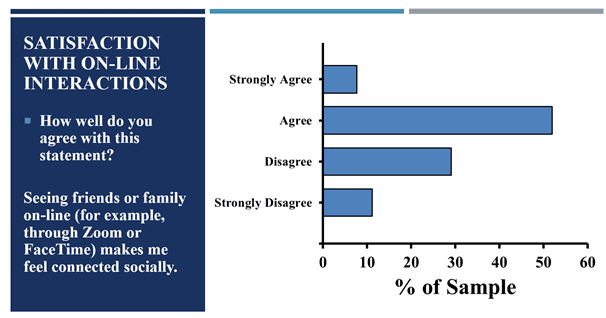
Frequency of interactions:  In-person interactions during COVID (the 6 months prior to survey completion) were low, 39.4% of participants reported seeing friends and family living outside of their homes in person twice a month or less.  And only 30.8% of them were seeing friends and family in person multiple times a week. These older Arkansans interacted specifically with younger generations of family and friends less frequently during the pandemic than before. 41.1% reported either a lot less frequent or completely stopping social interactions during the pandemic compared to pre-pandemic activities, and only 23.7% reported either the same or even more interactions than before.  Despite this reduction in social interactions,many of these participants (88.4%) indicated they had a good deal of social interactions through some form of technology (online, on the telephone, or using some other technology). And that 59.7% of them felt that seeing friends or family on-line (e.g., Zoom or FaceTime) did make them feel connected socially (See Figure 1). 

How the pandemic changed social interactions:  Before the pandemic, 26.1% reported that they were spending time online or in-person with organized social groups multiple times per week, but during the pandemic this number fell to 14.8%.  Before the pandemic, 31% were rarely spending time with organized social groups (less than once a month), but during the pandemic, this rose by 10% to 40.7%.    

Satisfaction with social interactions: Before the pandemic, 93% reported they were somewhat or very satisfied with their level of social connection, while that number reduced by a third to 67.2% during the pandemic (See Figure 2).  Findings showed that before COVID-19 people were happy, but became less satisfied with their social connection during the pandemic. This decline occurred whether or not participants knew someone who was severely impacted by the virus.  People with more technological social interactions, which augmented declining in-person social interactions, had greater satisfaction with their social connectedness compared to people with less technological social interactions. This relationship occurs regardless of the respondent’s level of extraversion.  Women were more likely to use technology for social interaction than men during the COVID-19 pandemic, and yet, women were less likely than men to be satisfied by their social interactions during the pandemic. Last, people with the least financial security were using technology to interact socially at a lower rate and were less satisfied with their social interactions during the pandemic than people who had more financial security. 

Summary:  In person social interactions and satisfaction with social interactions went down during the pandemic.  While not a completely satisfying replacement, supplementing lost social interactions with technology did help buffer some of the negative impact on satisfaction for some participants.  Therefore, making sure that technology interactions are accessible to all older Arkansans is a worthy goal.

Filed Under: AGEC, Hendrix, Newsletter

Sparking Community Engagement Through Occupations: A Program to Enrich the Lives of Community-Dwelling Older Adults Experiencing Loneliness and Disengagement

Fall 2021 Newsletter

This image has an empty alt attribute; its file name is UCA.jpg

By Rebekah Csonka, OTS
Occupational Therapy, University of Central Arkansas
Faculty Mentor: Lorrie A. George-Paschal, Ph.D., OTR/L, ATP
Expert Mentor: Kerry Jordan, PhD, RN, CNS, CNL-BC
Site Supervisor: Mrs. Kim White
Site Contact: Mrs. Debra Robinson

The life changes that older adults experience as they age such as loss of a spouse, and changes in housing, health status, and income, can cause many older adults to be at an increased risk for loneliness. Research shows that loneliness is a risk factor for mortality and is comparable with other behaviors that promote negative health outcomes such as obesity and substance abuse, therefore, it is imperative that loneliness be addressed among the older adult population (Holt-Lunstad et al., 2015). Research shows that engagement in leisure, social, physical, and community activities have a positive impact on older adults’ overall health (Stav et al., 2012). Therefore, occupational therapists, due to their unique ability to promote engagement socially through meaningful activities, can play an integral role in the lives of older adults experiencing loneliness by providing interventions targeting social engagement. 

Mrs. “M”

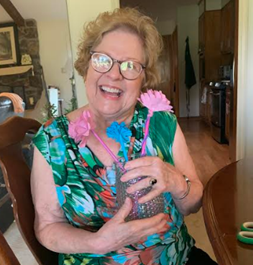
To address feelings of loneliness and decreased community and social engagement among older adults, UCA occupational therapy student, Rebekah Csonka along with the guidance and support of her expert mentors from UCA’s occupational therapy and nursing department, developed a community program as part of her student doctoral capstone project called “Sparking Community Engagement Through Occupations: Individual Guidance and Peer Support for Older Adults Experiencing Loneliness.” This community program is composed of two parts. The first half of the program focuses on meeting with each older adult weekly, collaborating with them to create goals for social and activity engagement, and carrying out their goals in the community. For the second half of the program, the older adults  participate in a small peer social group, at the Maumelle Center on the Lake and the Faulkner County Senior Wellness and Activity Center, where activities chosen for social and community engagement  promote relational building and engagement among group members as well as community participation. This program currently has six older adults participating who have self-reported feelings of loneliness or whose families have identified a need for increased social or activity engagement.

Mrs. “C”

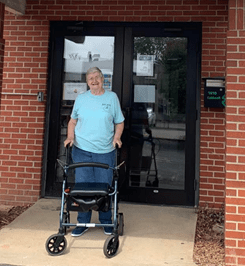
By the end of the first half of the program, these older adults show an increase in their social and community engagement and have found support through relationships built with other older adults in the community. One lady in the program, Mrs. M, had a goal to volunteer in the community. Together, we identified her strengths and previous experiences to find that she would be a wonderful support to families going through the process of losing a loved one. She is pictured holding paper flowers, as one of her sessions was spent identifying activities that she can do for or with people that she will be serving in the community, as a hospice care volunteer. Another community-dwelling older adult, Mrs. C, had a goal to make social connections with others. She is pictured standing outside of the Faulkner County Extension Office after attending her first class through the Extension Get Fit Program, where she had the chance to make connections with other older adults while engaging in an exercise program. She looks forward to staying engaged in this group to make new friends and to feel a greater sense of support and social connections.  Hopefully this capstone project will pave the way for future community programs that will focus on the needs of older adults for social and community engagement through meaningful occupations. 

References

Holt-Lunstad, J., Smith, T. B., Baker, M., Harris, T., & Stephenson, D. (2015). Loneliness and social isolation as risk factors for mortality: A meta-analytic review. Perspectives on Psychological Science, 10(2). 227-237. https://doi.org/10.1177/1745691614568352.

Stav, W. B., Hallenen, T., Lane, J., & Arbesman M. (2012). Systematic review of occupational engagement and health outcomes among community-dwelling older adults. American Journal of  Occupational Therapy, 66(3). 301–310. https://doi.org/10.5014/ajot.2012.003707

Filed Under: AGEC, Newsletter, University of Central Arkansas

  • «Previous Page
  • Page 1
  • Page 2
  • Page 3
  • Page 4
  • Page 5
  • Page 6
  • Interim pages omitted …
  • Page 9
  • Next Page»
University of Arkansas for Medical Sciences LogoUniversity of Arkansas for Medical SciencesUniversity of Arkansas for Medical Sciences
Mailing Address: 4301 West Markham Street, Little Rock, AR 72205
Phone: (501) 603-1965
  • Facebook
  • X
  • Instagram
  • YouTube
  • LinkedIn
  • Disclaimer
  • Terms of Use
  • Privacy Statement
  • Legal Notices

© 2026 University of Arkansas for Medical Sciences