• Skip to primary navigation
  • Skip to main content
  • Skip to primary navigation
  • Skip to main content
Choose which site to search.
University of Arkansas for Medical Sciences Logo University of Arkansas for Medical Sciences
Arkansas Geriatric Education Collaborative
  • UAMS Health
  • Jobs
  • Giving
  • About Us
    • Director of the UAMS Arkansas Geriatric Education Collaborative
    • Meet the Team
      • AGEC Faculty & Staff
    • AGEC Quarterly Newsletter
    • Our Academic and Community Partners
    • Contact Us
  • Health Professionals/CE
    • Upcoming CE Webinars
      • UAMS Geriatric Project iECHO
      • CE Event: Cannabis Use in Older Adults: Emerging Evidence, Ongoing Questions
    • Watch Previous CE Webinars
    • Alzheimer’s & Other Dementia Education Programs
    • Conferences/Special Events
  • Programs for Older Adults
    • Resources for Older Arkansans
    • Online Community Programs
    • Dementia Programs for Family Caregivers
    • Mind and Body Programs
    • Healthy Lifestyle, Disease Management for Older Adults (Seniors)
  • Popular Resources: Caregiver Toolkit
    • Popular Resources
    • Caregiver Tip Cards
    • Caregiver Resources Available in Spanish
    • Recursos en español Para Cuidadores
    • Senior Medicare Patrol (SMP)
  • NEW Become a Dementia Friend
  • Calendar
  1. University of Arkansas for Medical Sciences
  2. Arkansas Geriatric Education Collaborative
  3. AGEC
  4. Page 3

AGEC

Nutritional Biomarkers of Age-Related Muscle Loss

Summer 2022 Newsletter

This image has an empty alt attribute; its file name is Logo-UAMS-Reynolds-Inst-stacked.jpg

By David Church, PhD, CSCS*D
Department of Geriatrics, College of Medicine
University of Arkansas for Medical Sciences

Skeletal muscle mass, function, and strength decline with increasing age, a condition that has been coined “sarcopenia”1. Sarcopenia increases the risk of deleterious health conditions and represents a major financial cost to healthcare systems. Among older adults who are hospitalized, those with sarcopenia on admission are 5-fold more likely to incur higher hospital costs than those who do not.2 The economic burden of sarcopenia on the US healthcare system is considerable, with one estimate of the total annual cost of hospitalization for sarcopenic individuals being USD $40.4 billion3. From a clinical practice perspective, individuals with sarcopenia are at a greater risk of falling, reduced mobility and independence, and 95% more likely to be hospitalized as compared to those without sarcopenia3.

The term sarcopenia, coined in 1989, refers to the loss of muscle mass1. Since then, greater insights into muscle strength, mass, and function have developed. It has been demonstrated that low muscle mass is associated with weakness, and that weakness is strongly associated with function and disability. However, low muscle mass alone is weakly or not associated with function and disability2–5. As a result, current sarcopenia definitions incorporate measures aimed at muscle mass, strength, and function. The majority of sarcopenia research focuses on prevention and treatment.  Of this work, there is even less attention given to the standardization of assessment and diagnostic criteria. Multiple working groups of experts have weighed in, including those previously mentioned2,6,7; however, there are also the National Institute on Aging (NIA), the Foundation for the National Institutes of Health funded Sarcopenia Definitions and Outcomes Consortium (SDOC)4, and the Asian Working Group for Sarcopenia (AWGS)5. While important initiatives, the results have led to different definitions and clinical assessments for the same disease. Further, when looking into one working group, SDOC, the level of agreement amongst 13 different position statements varies widely4. Thus, uncertainty surrounding the definition and outcomes of sarcopenia is high even amongst international experts. Most striking is the fact that current diagnostic criteria and cutoffs only identify individuals with sarcopenia, NOT those “at risk” for sarcopenia. This is an important failing of the current diagnostic tests as these cut off points indicate the patient’s increased risk for falls, while independence, quality of life, and longevity are decreased2–4,8,9. Further, the regression and management of sarcopenia becomes a major economic burden to the healthcare system3. At this point, the best possible outcome is to slow the progression of the disease. In fact, the recent Sarcopenia Definitions and Outcomes Consortium (SDOC) states that since low grip strength and usual gait speed are independent predictors of falls, mobility limitations, hip fractures, and mortality in community-dwelling older adults, they should be included in the definition of sarcopenia4. Thus, current techniques and diagnostic criteria can only identify sarcopenia after a physical/functional impairment has occurred. As a result, clinicians must treat and manage the disease, as opposed to identifying susceptible individuals and taking preventative steps. Stated differently, clinicians are hoping to slow the rate of decline rather than maintain or improve muscle health.

Skeletal muscle amino acid metabolism dictates muscle health and functionality. Altered amino acid metabolism lead to decrements in muscle mass, quality, and performance8. Our laboratory, as well as others, have documented that the circulating essential amino acids (EAA) response to protein ingestion determines muscle amino acid metabolism10,11. This well-established phenomenon allows us characterize potential nutritional biomarkers following an EAA challenge in order to determine the state of muscle health. As no additional equipment will be required the proposed EAA challenge represents a potential low-cost solution to classifying patients’ skeletal muscle health. This initiative will leverage the well-established physiological role EAA play in muscle metabolism and health within the existing clinical infrastructure (i.e., basic phlebotomy procedures). The extrapolation of this work will be the development of a simple analytical tool that would provide clinicians the ability to discern alterations in muscle metabolism and health prior to a loss of function or overt development of sarcopenia.

References

1.            Rosenberg IH. Sarcopenia: origins and clinical relevance. J Nutr. 1997 May;127(5 Suppl):990S-991S. PMID: 9164280

2.            Cruz-Jentoft AJ, Bahat G, Bauer J, Boirie Y, Bruyère O, Cederholm T, Cooper C, Landi F, Rolland Y, Sayer AA, Schneider SM, Sieber CC, Topinkova E, Vandewoude M, Visser M, Zamboni M, Writing Group for the European Working Group on Sarcopenia in Older People 2 (EWGSOP2), and the Extended Group for EWGSOP2. Sarcopenia: revised European consensus on definition and diagnosis. Age Ageing. 2019 Jan 1;48(1):16–31. PMCID: PMC6322506

3.            Goates S, Du K, Arensberg MB, Gaillard T, Guralnik J, Pereira SL. Economic Impact of Hospitalizations in US Adults with Sarcopenia. J Frailty Aging. 2019;8(2):93–99. PMID: 30997923

4.            Bhasin S, Travison TG, Manini TM, Patel S, Pencina KM, Fielding RA, Magaziner JM, Newman AB, Kiel DP, Cooper C, Guralnik JM, Cauley JA, Arai H, Clark BC, Landi F, Schaap LA, Pereira SL, Rooks D, Woo J, Woodhouse LJ, Binder E, Brown T, Shardell M, Xue QL, DʼAgostino RB, Orwig D, Gorsicki G, Correa-De-Araujo R, Cawthon PM. Sarcopenia Definition: The Position Statements of the Sarcopenia Definition and Outcomes Consortium. J Am Geriatr Soc. 2020 Jul;68(7):1410–1418. PMID: 32150289

5.            Chen LK, Woo J, Assantachai P, Auyeung TW, Chou MY, Iijima K, Jang HC, Kang L, Kim M, Kim S, Kojima T, Kuzuya M, Lee JSW, Lee SY, Lee WJ, Lee Y, Liang CK, Lim JY, Lim WS, Peng LN, Sugimoto K, Tanaka T, Won CW, Yamada M, Zhang T, Akishita M, Arai H. Asian Working Group for Sarcopenia: 2019 Consensus Update on Sarcopenia Diagnosis and Treatment. J Am Med Dir Assoc. 2020 Mar;21(3):300-307.e2. PMID: 32033882

6.            Cruz-Jentoft AJ, Baeyens JP, Bauer JM, Boirie Y, Cederholm T, Landi F, Martin FC, Michel JP, Rolland Y, Schneider SM, Topinková E, Vandewoude M, Zamboni M, European Working Group on Sarcopenia in Older People. Sarcopenia: European consensus on definition and diagnosis: Report of the European Working Group on Sarcopenia in Older People. Age Ageing. 2010 Jul;39(4):412–423. PMCID: PMC2886201

7.            Cederholm T, Barazzoni R, Austin P, Ballmer P, Biolo G, Bischoff SC, Compher C, Correia I, Higashiguchi T, Holst M, Jensen GL, Malone A, Muscaritoli M, Nyulasi I, Pirlich M, Rothenberg E, Schindler K, Schneider SM, de van der Schueren M a. E, Sieber C, Valentini L, Yu JC, Van Gossum A, Singer P. ESPEN guidelines on definitions and terminology of clinical nutrition. Clin Nutr. 2017 Feb;36(1):49–64. PMID: 27642056

8.            Moore DR. Keeping Older Muscle “Young” through Dietary Protein and Physical Activity12. Adv Nutr. 2014 Sep 1;5(5):599S-607S. PMCID: PMC4188243

9.            Mitchell WK, Williams J, Atherton P, Larvin M, Lund J, Narici M. Sarcopenia, dynapenia, and the impact of advancing age on human skeletal muscle size and strength; a quantitative review. Front Physiol. 2012;3:260. PMCID: PMC3429036

10.          Church DD, Hirsch KR, Park S, Kim IY, Gwin JA, Pasiakos SM, Wolfe RR, Ferrando AA. Essential Amino Acids and Protein Synthesis: Insights into Maximizing the Muscle and Whole-Body Response to Feeding. Nutrients. 2020 Dec 2;12(12). PMCID: PMC7760188

11.          Pennings B, Boirie Y, Senden JMG, Gijsen AP, Kuipers H, van Loon LJC. Whey protein stimulates postprandial muscle protein accretion more effectively than do casein and casein hydrolysate in older men. Am J Clin Nutr. 2011 May;93(5):997–1005. PMID: 21367943

Filed Under: AGEC, Newsletter, UAMS

Do you know the signs of elder abuse?

Summer 2022 Newsletter

ASU

By Matthew Harmon, MSN, RN, CNE
School of Nursing
Arkansas State University

Older adults (over the age of 65) are commonly a target of abuse. In fact, one in six older adults are affected by some type of elder abuse. When one thinks of abuse, one may think of physical violence. In fact, the National Center on Elder Abuse notes seven different types including; physical abuse, sexual abuse, emotional abuse, financial/material exploitation, neglect, abandonment, and self-neglect.

                Physical abuse encompasses bodily injury, impairment, or physical pain caused by physical force (NCEA, 2022). Noticing multiple bruises in different stages of healing is an important sign of abuse because it indicates separate instances of trauma at different times. Other worrisome signs would be bruises, black eyes, welts, broken bones, sudden change in behavior, broken eyeglasses, and broken hearing aids. It is not uncommon for an older adult to experience a couple of these signs after an accidental event like a fall. However, it would be more suggestive of abuse if several of these signs were noticed at different times, as it suggests recurring incidents related to abuse.

                Sexual abuse is sexual contact of any kind that is not-consensual (NCEA, 2022). Signs of sexual abuse in older adults include the report of sexual abuse from the individual, or sudden change in emotional status (NCEA, 2022). This type of abuse is harder to notice for some due to the lack of observable symptoms in the abused. 

                Emotional abuse or psychological abuse is defined as the infliction of anguish, pain, or distress through verbal or nonverbal acts (NCEA, 2022). This type of abuse consists of signs that are more behavioral-based. Signs that may suggest emotional abuse include irritability, isolating oneself, sudden change in emotional status, or report of emotional abuse.

                Financial/material exploitation refers to the illegal or improper use of an elder’s funds, property, or assets (NCEA, 2022). This type of abuse may also be difficult to identify in other individuals. The main identifiers of this type of abuse would be sudden change in financial status, addition of names to bank cards and credit cards, and abrupt changes to will or other financial documents. According to Dominguez et al. (2022), recognizing this type of abuse should show special consideration to those who may live alone or who already have a degree of isolation.

                Neglect is defined as the refusal or failure to fulfill any part of a person’s obligations or duties to an elder(NCEA, 2022).  Being so, this type of abuse is found in individuals who require aid/caregiver for some aspect of their care. This can be an individual who is being taken care of by family, or even those being cared for in a facility. Signs of neglect include unsafe living arrangements, dehydration, starvation, poor hygiene, bed sores, among any other sign of abuse mentioned above.

                Self-neglect characterized as the behavior of an elderly person that threatens his/her own health or safety(NCEA, 2022). The signs of this type of abuse mimic that of neglect as mentioned previously. The main difference of self-neglect to the other types of abuse is that this type of abuse has no identified abuser. Self-neglect is also different from neglect in that an individual who is a victim of neglect typically requires some type of supervision with their care while those who exhibit self-neglect do not.

Abandonment is the desertion of an elderly person by an individual who has assumed responsibility for providing care for an elder, or by a person with physical custody of an elder (NCEA, 2022). Abandonment may include the individual being abandoned at their home, or being abandoned at a medical facility. In some cases individuals may be abandoned at a public facility such as a supermarket, restaurant, or recreational area (NCEA, 2022).

                If you or any older adults you know shows signs of elder abuse, several resources are available to help. First and foremost, if the matter is life-threatening, call 911 for immediate assistance. If the suspected abuse is occurring within a facility that the abused is housed at, contact administration of that facility. If you feel uncomfortable doing so, and wish to remain anonymous, you may call the Arkansas Department of Human Services, Office of Long-Term care at 1-800-582-4887 for residents in long-term care facilities. Victims of abuse are not always individuals in long-term care facilities, so if the person is not in a long-term care facility, and you suspect abuse call the Arkansas Department of Human Services, Adult Protective Services at 1-800-482-8049.

References

Fraga Dominguez, S., Ozguler, B., Storey, J. E., & Rogers, M. (2022). Elder abuse vulnerability and risk factors: Is financial abuse different from other subtypes? Journal of Applied Gerontology, 41(4), 928-939. https://doi.org/10.1177/07334648211036402

National Center on Elder Abuse. (n.d.). Types of abuse. NCEA. Retrieved July 12, 2022, from https://ncea.acl.gov/Suspect-Abuse/Abuse-Types.aspx

Filed Under: AGEC, ASU, Newsletter

Preparing the Rising Generation of Healthcare Professionals

Summer 2022 Newsletter

This image has an empty alt attribute; its file name is UCA.jpg

By Denise Demers, PhD, CHES and Darshon Reed, PhD
University of Central Arkansas
Department of Health Sciences and Department of Psychology

With the recent exponential growth of the aging population (from 13.1% in 2010 to 16.9% in 2020) and the projected growth by 2050 reaching 22% of the total population in the nation (U.S. Census Bureau, 2018), focus on the aging population has become paramount. Adults over the age of 65 will likely reach and affect every aspect of our society in the coming months and years. Not only will it be imperative to have resources available to assist them, but also healthcare workers to provide such care. Strategies to improve this population’s health and quality of life are both varied and multiplicitous, ranging from community programs such as “Meals on Wheels” to local recreation center physical activity programs. From Geriatrics to Gerontology, systems and structures are being developed and put in place in order to adequately provide for the aging population. Now is the time to prepare the coming health care force to administer such programs and strategies.


To adequately prepare the rising generation of healthcare professionals, it takes a multidisciplinary approach. Not only are doctors and nurses needed, but community healthcare providers such as psychologists, health education specialists, and volunteer organizations. For decades, universities and colleges throughout the nation have begun to teach using a more experiential approach to their curriculum. Included in that curriculum are simulation labs (Coyne et al., 2021) and service learning (Furco, 1996) . Service learning has exploded in recent years, becoming the go-to teaching strategy for many higher education classrooms, whether in-person or virtually.


Recently at the University of Central Arkansas, one of the psychology courses focused on healthy aging. Everything within that class was seen through the lens of the aging population – each chapter from the text, additional articles, and blogs from the American Psychological Association Aging resources. Additionally, students spent time at two local senior care facilities interacting with the residents. During their time at the facilities, students played games, visited, and colored Easter eggs with the residents.


From this experience, over 90% of the students agreed or strongly agreed that their time at the Senior Center was a valuable experience for them. It not only helped them better connect with the content of what they were learning in class, but also helped them both increase in understanding of the problems and challenges of those residents in the facility, as well as how their work can make a difference in the world.


In order to meet the needs of the aging population, programs throughout the country need to focus on aging (Grady, 2011). Whether it be in research (Croff et al., 2020) or applying theory to application through experiential learning (Efthymiou et al., 2021; Kim et al., 2021; Niman & Chagnon, 2021) or virtual simulations (Coyne et al., 2021), such experiences like this are needed in our college classrooms and courses. To prepare the coming generation for “the impending crisis, which has been foreseen for decades, is now upon us” (Institute of Medicine, 2008), courses for the future healthcare professionals in all disciplines need to provide adequate content related to the aging population. Likewise, faculty must also prepare themselves by using multidisciplinary and interprofessional programs that give students the benefits of experiential opportunities with the aging population.


References


Coyne, E., Calleja, P., Forster, E., Lin, F. (2021). A review of virtual-simulation for assessing healthcare students’ clinical competency, Nurse Education Today, Jan;96:104623. doi: 10.1016/j.nedt.2020.104623. Epub 2020 Oct 10. PMID: 33125979.


Croff, R., Tang, W., Friedman, D. B., Balbim, G. M., Belza, B. (2022). Training the next generation of aging and cognitive health researchers, Gerontology & Geriatrics Education, 43:2, 185-201, DOI: 10.1080/02701960.2020.1824912


Efthymiou,L., Ktoridou, D. Epaminonda,E. (2021) A model for experiential learning by replicating a workplace environment in virtual classes, IEEE Global Engineering Education Conference (EDUCON), pp. 1749-1753, doi: 10.1109/EDUCON46332.2021.9453966.


Furco, A. (1996). Service-Learning: A balanced approach to experiential education. Expanding Boundaries: Service and Learning 1 (1):2–6.


Grady PA. (2011). Advancing the health of our aging population: A lead role for nursing science. Nurs Outlook. Jul-Aug;59(4):207-9. doi: 10.1016/j.outlook.2011.05.017. PMID: 21757076; PMCID: PMC3197709.


Kim, M. J., Kang, H. S., De Gagne, J. C. (2021). Nursing students’ perceptions and experiences of using virtual simulation during the COVID-19 pandemic. Clinical Simulation in Nursing, 60, 11-17.


Niman, N. B., & Chagnon, J. R. (2021). Redesigning the Future of Experiential Learning. Journal of Higher Education Theory and Practice, 21(8). https://doi.org/10.33423/jhetp.v21i8.4507


U.S. Census Bureau, Current Population Reports, Estimates of the population of the United States by single years of age, color, and sex: 1900 to 1959 (Series P-25, No. 311); Estimates of the population of the United States, by age, sex, and race: April 1, 1960, to July 1, 1973 (Series P-25, No. 519); Preliminary estimates of the population of the United States by age, sex, and race: 1970 to 1981 (Series P-25, No. 917); and Intercensal estimates for 1980–1989, 1990–1999, and 2000–2009. The data for 2010 to 2020 are based on the population estimates released for July 1, 2020. Data beyond 2020 are derived from the national population projections released in September 2018. Some estimates have been revised since previous publication in America’s Children.


Verkuyl, M., Oona St-Amant, O., Lynda Atack, L., Diane MacEachern, D., Amanda Laird, A., Paula Mastrilli, P., Germayne Flores, G., Harper Soul Hamilton Gunn, H. P. S. (2022). Virtual simulations’ impact on clinical practice: A qualitative study, Clinical Simulation in Nursing, 68, 19-27. https://doi.org/10.1016/j.ecns.2022.04.001.

Filed Under: AGEC, Newsletter, University of Central Arkansas

Choosing Wisely: Focused Recommendations to Improve Deprescribing Practices

Summer 2022 Newsletter

This image has an empty alt attribute; its file name is Logo-UAMS-Reynolds-Inst-stacked.jpg

By Kaitlin Byrd, Pharm.D. and Lisa C. Hutchison, Pharm.D., MPH, BCPS, BCGP
University of Arkansas for Medical Sciences (UAMS) College of Pharmacy

Older patients are at a higher risk of being prescribed multiple medications increasing their risk of negative effects from polypharmacy. Polypharmacy and inappropriate use of medications can increase the patient’s risk of falls, delirium, and hospitalizations. Deprescribing can help reduce polypharmacy and minimize any use of inappropriate medications3. Choosing Wisely is a tool developed by the American Board of Internal Medicine to promote conversations between patients and clinicians. Working closely with the American Society of Consultant Pharmacists, Choosing Wisely has outlined ten recommendations targeting appropriate prescribing practices.2  It can be hard to keep so many recommendations in mind, so here is an easy way to organize them for use with patient care—4-3-2-1.

It’s no surprise that older adults have polypharmacy.  There are four recommendations that highlight the problems with drug-drug interactions—particularly issues with bleeding and cognition, so each area has two recommendations.

  1. Avoid use of two or more medications that can increase a patient’s bleed risk. Direct oral anticoagulants (DOACs), warfarin, aspirin, selective serotonin reuptake inhibitors (SSRIs), antiplatelet agents, nonsteroidal anti-inflammatory drugs (NSAIDs) and corticosteroids can all increase the patient’s risk of bleeding. Carefully decide if the benefits outweigh the risk when combining these agents, and if yes, provide education and frequent monitoring.
  2. Avoid the use of strong CYP3A4 and P-glycoprotein (p-gp) inhibitors or inducers with DOACs. DOACs (i.e., rivaroxaban, dabigatran, apixaban) combined with inhibitors of p-gp and CYP3A4 can lead to an increased risk of bleeding or therapeutic failure due to changes in metabolism.
  3. Avoid prescribing three or more CNS-active medications. Combining antidepressants, benzodiazepines, Z-drugs (e.g., zolpidem), opioids, gabapentinoids, antipsychotics, and antiepileptics can lead to an increased risk of falls and fractures. Use non-pharmacologic options and the lowest effective dose as viable options for medication management.
  4. Avoid combining opioids with benzodiazepines or gabapentinoids to treat pain in older adults. An increased risk of serious breathing difficulties may occur and can lead to death in those with chronic obstructive pulmonary disease or the elderly.

Three recommendations focus on reviewing the complete medication list with patient factors in mind to prevent adding/continuing drugs that are not needed. 

  • Before prescribing medications for new symptoms, ensure that it is not an adverse drug reaction (ADR) from a current medication. Prescribing cascades can occur when new medications are added to treat ADRs from a patient’s current medication.
  • Perform a complete medication review prior to continuing medications at transitions of care. Negative outcomes are associated with continuing medications that are no longer indicated for the patient.
  • Assess goals of care, time-to-benefit for medications, and the presence of comorbidities for older adults with limited life expectancy. Many drugs (e.g., cholinesterase inhibitors, memantine, and statins) have questionable benefit when a patient is near the end of life.

Two recommendations are specific to avoiding use of anticholinergic medications.

  • Avoid use of highly anticholinergic medications in older adults without considering safer alternatives or non-pharmacological options. Anticholinergic medications include first generation antihistamines (diphenhydramine, doxylamine), tricyclic antidepressants, gastrointestinal antispasmodics, antiemetics, urinary incontinence medications, and medications for Parkinson’s disease. These medications are associated with an increased risk of dementia, cognitive impairment, and excess sedation.
  • Avoid concomitant use of anticholinergic medications with cholinesterase inhibitors for treatment of dementia. The two medication classes exhibit opposing actions; therefore, anticholinergics will decrease the efficacy of cholinesterase inhibitors.

The last recommendation focuses on tramadol in particular. 

  1. Avoid prescribing tramadol for older adults without consideration of fall risk, serotonergic excess, seizures, and drug-drug interactions. Potential for serotonin syndrome, hyponatremia, tramadol-induced seizures, and hypoglycemia are all possible side effects that are harmful for older adults contributing to falls and fractures. The risk of these effects is increased with a decrease in renal function.

Conversations about medications between pharmacists, prescribers, other health care professionals with patients and their caregivers provides awareness of the benefits and harms of medications. Shared decision-making is imperative when optimizing a patient’s medication regimen to improve outcomes, avoid unnecessary adverse effects, and better manage chronic conditions1.

References:

  1. Liacos M, Page AT, Etherton-Beer C. Deprescribing in older people. Aust Prescr. 2020;43(4):114-120. Published 2020 August 03.
  2. Ten Things Physicians and Patients Should Question. Choosing Wisely. American Society of Consultant Pharmacists, American Board of Internal Medicine. Published 2022 June 04.
  3. Wu H, Kouladjian O’Donnell L, Fujita K, Masnoon N, Hilmer SN. Deprescribing in the Older Patient: A Narrative Review of Challenges and Solutions. Int J Gen Med. 2021;14:3793-3807. Published 2021 Jul 24.

Filed Under: AGEC, Newsletter, UAMS

Managing a Healthy Dietary Pattern with Inflation and Rising Food Costs

Summer 2022 Newsletter

logo

By Laura Stilwell, M.Ed.
Education Coordinator
UAMS Arkansas Geriatric Education Collaborative (AGEC)

The Arkansas Geriatric Educational Collaborative (AGEC) provides nutrition education and cooking tips for older adults in our monthly Facebook Live program, “From Our Kitchen to Yours.” Two AGEC community programs provide healthy nutritional information as well: Eat Well, Live Well, and Healthy Brain, Healthy Heart. These two programs can be presented either in person or via zoom. They’re also available on-demand online at patientslearn.uams.edu/agec. The program content follow the recommendations outlined in the Dietary Guidelines for Americans 2020-2025 published by the USDA. The Guidelines outline a dietary pattern for older adults that is predominately plant-based and follows the Mediterranean Dietary pattern. (USDA, 2021)


The USDA has published the April 2022 forecasts of the consumer price index. As summarized by the United States Department of Agriculture (USDA) food inflation is reported in two categories: food-away-from-home (restaurant purchases) and food-at-home (grocery store purchases). Restaurant purchases were 6.9% higher in March 2022 than March 2021. Grocery purchases were 10% higher in March, 2022 than one year ago. Meat groups were the grocery category experiencing the highest increases, (predominately beef), with fresh vegetables having the least increase in pricing. Many factors contribute to rising prices in food purchasing, one of which being the impact of the Ukrainian conflict. Increased fuel costs for transportation of goods and supply chain disruptions also play a major role in higher food costs. (USDA, 2022) The COVID-19 pandemic also disrupted the supply chain for supermarkets, making dietary staples difficult to find. Additionally, job losses due to the COVID-19 pandemic decreased spendable income for older adults. (USDA, 2022) Indirectly, the increase in interest rates by the Federal Reserve is also expected to negatively impact spendable income. (USDA, 2022)


In simple terms, food prices are on the rise in 2022. Supply for many products is low. Transportation costs are high. Income available for grocery expenses is trending down due to higher interest rates, higher energy costs, and overall inflation. In the current economic market, planning ahead and shopping wisely can allow older adults to maintain a healthy dietary pattern and a manageable food budget. Using tools outlined in MyPlate.gov and utilizing community food resources, older adults can save money and find supplemental food sources in the community. (USDA, 2022)(NCOA, 2022)
The USDA provides shopping and budgeting tools in the MyPlate plan at MyPlate.gov. Menu plans, recipes, shopping lists, and strategies for saving are all outlined under the Tools section at Myplate.gov. While shoppers are faced with high meat prices, a shift toward a more plant-based dietary pattern may be beneficial. Realigning food choices to plant protein sources is recommended in the Dietary Guidelines for Americans as well as the Mediterranean and DASH Dietary models. (USDA, 2021) By choosing vegetables and fruits that are sourced locally and are in season, it’s easier to enjoy fresh fruits and vegetables at a more comfortable price point than buying foods that are imported or transported long distances. Foods that are transported long distances and have lengthy storage reflect the high cost of fuel and storage energy. (USDA, 2022)


For older adults who may be on a fixed income, food price inflation causes concern about day-to-day expenses. In addition to planning carefully and spending food dollars wisely, there are programs designed to help older adults with their food needs. Beyond the rapidly rising costs of food, many older adults have other financial or social factors such as fixed incomes or a lack of food accessibility that make them especially vulnerable to food insecurity. There are a variety of local and national agencies available to older adults to combat food insecurity. One such agency is the National Council on Aging. The (NCOA) provides information for food assistance for older adults; eligibility for food assistance may be determined by visiting BenefitsCheckup.org and entering a local zip code. (NCOA, 2022) Food banks are located across the United States and provide over sixty thousand meal programs that serve all fifty states as well as Washington D.C. and Puerto Rico. While the NCOA outlines federal benefits, Area Agencies on Aging coordinate the benefits at the local level. Arkansas Agencies on Aging administer the benefits for older adults in Arkansas. All seventy-five counties in Arkansas are divided into eight regions that receive nutritional support from the Arkansas Agencies on Aging. (Arkansas DHS, 2018)


The Meals on Wheels program provides in-home meal distribution to qualifying older adults. Supplemental Nutrition Assistance Program (SNAP) provides benefits to be used at retailers, farmers markets, roadside stands and Community Supported Agricultural programs (CSAs). Another program called the Senior Farmers’ Market Nutrition Program (SFMNP) also provides access to fresh locally grown produce. These benefits enable older adults to buy fresh fruits and vegetable and other nutritious foods. Another supplemental program is the senior food box program, officially called the Commodity Supplemental Food Program. This program, administered locally by Area Agencies on Aging, allows older adults to improve their daily dietary pattern with healthy surplus food from the USDA commodity food list. An individual senior food box contains staple items such as pasta, rice, canned fruits and vegetables, cheese, milk and cereal. In addition to Meals on Wheels and retail benefits through SNAP programs, local senior centers with administration through the Arkansas Area Agencies on Aging provide nutritional congregate meals, as well as transportation to these centers to allow older adults access to hot, nutritious meals in a group setting. These meals may be free, or available for a minimal cost. (NCOA)


The rising costs of food can be concerning, especially older adults. Through diligent planning and utilization of food resources, a healthy dietary pattern can be maintained through this economic cycle of high food prices. (USDA, 2022) Using planning tools from myplate.gov, along with resources available through the Arkansas Area Agencies on Aging, can allow eligible seniors to supplement food sources and reduce overall food expenses while on a fixed budget. Following the basic tips of planning meals for home dining, keeping healthy snacks on hand, and utilizing supplemental resources can help consumers navigate food inflation. Keeping a healthy dietary pattern on track and alleviating anxiety about finances is possible by having resources available for older adults for food purchase and accessibility. (NCOA)

References


Area Agencies on Aging 2018 – Arkansas department of human services. humansevices.arkansas.gov. (2018). Retrieved June 6, 2022, from https://humanservices.arkansas.gov/wp-content/uploads/2017_Senior_Benefits_Resource_Guide.pd_5-1.pdf


Dietary Guidelines Advisory Committee.(2020). Scientific Report of the 2020 Dietary Guidelines committee: Advisory Report to the Secretary of Agriculture and Secreary of Health and Human Services. U.S. Department of Agriculture, Agriculture Research Service, Washington, D.C. p 16-22, p.122-130.
https://www.dietaryguidelines.gov


Dong, D., Stewart, H., Don, X., & Hahn W., (2022, April). Quantifying Consumer Welfare of Impacts of Higher Meat Prices During Covid-19 Pandemic ERR 306. www.ers.usda.gov. Retrieved June 6, 2022 from
https://ers.usda.gov/webdocs/publications/103813/err-306.pdf?v21283

MacLachlan, M., & Sweitzer, M. (2022, April). Summary Findings food Price Outlook 2022.
www.ers.usda.gov. Retrieved May 25, 2022, from
https://www.ers.usda.gov/data- products/food-price-outlook/summary-findings


National Council On Aging. (2022, April 18). Food assistance for Older Adults Help to Gain Access to Healthy Food: Resources for Older Adults. www.ncoa.org. Retrieved May 25, 2022, from https://www.ncoa.org/article/help-to-gain-access-to-healthy-food-resources-for-older-adults

Filed Under: AGEC, Newsletter

From the Director’s Desk

Spring 2022 Newsletter

logo

By Robin McAtee, PhD, RN, FACHE, Director, Arkansas Geriatric Education Collaborative (AGEC), a Geriatric Workforce Enhancement Program (GWEP) at the University of Arkansas for Medical Sciences (UAMS) Donald W. Reynolds Institute on Aging (DWR IOA)

Thank you to all of our AGEC health professional friends and peers for continuing to support AGEC programs and activities. We started off this year with more depressing COVID-19 Omicron news and a huge uptick in positive cases. However, we marched on and now as spring is emerging, we are once again having face-to-face programs and attending in-person events. Hooray! Our community participants have been very excited about getting back together face-to-face for evidence-based programs and activities and attendance has been great. The social isolation over the past two years has certainly taken its toll, but we are doing what we can to limit or even reverse its effect. 

Over the past 3 months we have worked diligently to maintain programming and activities and our outcomes are great. For the clinical activities in March, we were excited to partner with Opioid Prevention for Aging and Longevity (OPAL) and UAMS’s Academic Detailing program at the Psychiatric Research Institute to provide 2 hours of continuing education on Naloxone to AGEC’s clinical partners at ARcare in England, Augusta, Cabot West, Bald Knob, Wynne and Benton. OPAL is also securing Naloxone kits which will be distributed to these clinics when available. 

We continued to also provide many programs virtually. Highlights included several events via Zoom such as: Eat Well Live Well at the Benton Senior Center; Mental Health, Food, & Exercise with partners AARP & AR-Connect; Internet Safety via Zoom in partnership with the Central Arkansas Library System; Caregiver Resources with partner AARP; Kidney Health at the Bryant Senior Center; and Preventing Isolation in partnership with UCA students. The AGEC Age Wise podcast continues to be popular along with AGEC’s Facebook page where we now have over 2,400 followers. The program “Understanding Dementia & Alzheimer’s Disease” was presented for 28 UCA Consumer Science students in February, and a video caregiver story entitled “Dealing with Hardships While Caring for Parents” was released online for National Caregivers Day on 2/18/22, with over 2,800 views.

Health Professional trainings have also been active with over 200 attendees this past quarter. Webinars included: Immunization 2022: Communication & Science Update (1/12/22); and The Importance of Hearing in Healthy Cognitive Aging (2/16/22). On 2/8/22, The Challenges and Opportunities: Working with Rural CBOs, was presented to a national audience during a GWEP-CC Peer Sharing Webinar, and the AGEC webinar for March was in partnership with OPAL with Kirk Lane, AR Drug Director, titled Arkansas Naloxone Project. 

AGEC has also been excited to get back out in the community presenting evidence-based programs and activities face-to-face at local communities of faith and senior centers. Older adults are attending these programs and enjoying meeting again with their peers! We at the AGEC thank all of you for your loyalty and partnerships; we could not reach all the healthcare professionals, students, or older adults without all of you! Thank you!!!

Filed Under: AGEC, Newsletter, UAMS

Weight Loss in Older Adults: Can We Stop the Losing Battle?

Spring 2022 Newsletter

ASU

By Haylee Whitehurst, Occupational Therapy Doctorate Student
College of Nursing & Health Professions
Arkansas State University
Edited by Jessica Camp, DNP, APRN, AGCNS-BC, NE-BC, CDP

Did you know?

Unintentional weight loss occurs in 15%- 20% of older adults and is associated with increased morbidity and mortality.

Background/Significance of Unintentional Weight Loss in Older Adults

It can be difficult to notice gradual changes in a loved one when family members see them frequently. That’s why, as professionals, we must keep an eye out for weight changes over time. Weight loss can be due to inadequate food intake as well as other contributing factors that may indicate an underlying health, behavioral, or emotional issue. Some overweight aging adults  can benefit from healthy weight loss to relieve pressure on joints and heart function. In these cases, it is important that weight loss is controlled and on purpose so the individual is losing fat and not valuable muscle mass. However, when weight begins to drop off unintentionally, whether the aging adult could benefit from some weight loss or not, medically speaking the risks to their health can be very serious. Following unintentional weight loss, the immune system can deteriorate, leaving an older adult more vulnerable to infection and illness with a weakened ability to recover. An aging adult may experience fatigue as weight and overall health decline, which can prevent activity, exercise, and social participation. If they do lose weight in muscle mass, the aging adult will weaken and may be at greater risk of falls and injuries, which can be very dangerous for older adults (Gaddey & Holder, 2014).

Share These Tips with Families to Help Prevent Unintentional Weight Loss in Older Adult Patients

  1. Add spices and color to food
    1. If your family member has lost the sense of taste, then they might not be excited about eating. Consider incorporating some hot pepper, mustard, sage or other spices and flavorings in your loved one’s next meal.
  2. Consider supplements
    1. Supplements can nourish your loved one’s body and prevent malnutrition. Ask your family member’s doctor or registered dietitian what supplements would be the most appropriate.
  3. Exercise with your loved one
    1. Physical activity can improve appetite, so encourage your family member to exercise a few times a week. For example, you can go on a walk or take an aerobics class. Regular exercise will also improve bone strength and boost the immune system.
  4. Prepare snacks
    1. If your family member isn’t consuming enough calories during meal times then prepare some healthy snacks. For example, cauliflower, broccoli, and carrots, are packed with vitamins and minerals older adults need to thrive. Almonds, fresh fruit, and boiled eggs are other great snacks. For additional calories, peanut butter, cheese, puddings and other easy-to-eat foods may be suggested.
  5. Check medications
    1. If your family member takes medication that causes swallowing difficulties, nausea, or dry mouth, it can negatively affect his or her appetite (Gaddey & Holder, 2014). Voice your concerns to your loved one’s doctor and have that doctor reevaluate these medications to see if adjustments can be made.

Treatment Options

Determining the specific cause of weight loss can lead to a clearer course of action for us as professionals, whether it be a medical, dental, psychological, financial, or lifestyle solution. Treatment often involves a multidisciplinary team, including dentists; dietitians; speech, occupational, or physical therapists; and social service workers (Gaddey & Holder, 2014). Do your part by recognizing unintentional weight loss and assessing the cause, bringing attention to the treatment team, or making appropriate referrals when needed.

Everyone’s metabolism naturally slows down as they age, so it makes sense that an older adult will eat less food than they used to. It’s important to give extra attention to the nutrient quality and caloric density of food to ensure that they get adequate vitamins and minerals, especially if they may have digestive difficulties. There are ways to make meals more appealing to older adults with declining appetites and ways to make meals more accessible even for those with dental problems. It can also be a significant advantage, if you can encourage friends and family to sit down for meals together with the older adult so they have companionship and encouragement to eat whenever possible. 

Common Strategies to Address Unintentional Weight Loss in Older Adults:

  • Dietary changes
  • Environmental modifications
  • Nutritional supplements
  • Flavor enhancers
  • Appetite stimulants

Resources for Professionals to give to Family Members

  • Areas Agencies on Aging (AAA)
    • Meals on Wheels
    • Senior Centers
    • Transportation options
  • Division of Aging, Adult, & Behavioral Health Services (DAABHS)
  • Program of All-Inclusive Care for the Elderly (PACE)
  • Senior Community Service Employment Program

References

Gaddey, H. L., & Holder, K. (2014). Unintentional weight loss in older adults. American Family Physician, 89(9), 718–722. https://www.aafp.org/afp/2014/0501/p718.html

Programs for Adults & Seniors. (n.d.). Arkansas Department of Human Services. Retrieved November 3, 2021, from https://humanservices.arkansas.gov/learn-about-programs/programs-for-adults-seniors/

Filed Under: AGEC, Arkansas State University, Newsletter

Home Medication Management

Spring 2022 Newsletter

This image has an empty alt attribute; its file name is Logo-UAMS-Reynolds-Inst-stacked.jpg

By Sarah Emison, Pharm.D. and Lisa C. Hutchison, PharmD, MPH, BCPS, BCGP
University of Arkansas for Medical Sciences (UAMS) College of Pharmacy

Many older adults have difficulty taking their medications every day at home.  With chronic health conditions, daily medications are an important part of staying healthy just like eating a balanced diet and exercising regularly.  Forgetting to take medications that are needed increases the risk of disease flare-up, hospitalization, and nursing home admission.  Clinicians need to stay current on the options to help older adults stay independent in their homes or reduce the burden on caregivers.

A key factor in managing medications at home is to maintain a current list.  This list should include all prescription medications as well as any medications a patient is taking without a prescription including over-the-counter medications, dietary supplements, vitamins, and herbal remedies.  The medication name, dose, and directions should be included. The patient or caregiver should be educated on what each medication is for as well as how to take it and what should be expected, both therapeutic and adverse effects. It may be helpful to write this information on the medication list as a reminder or a reference.  The patient/caregiver should keep this list in a convenient location such as a wallet or purse for when they have a doctor’s visit or an emergency. (Zonsius 2022)

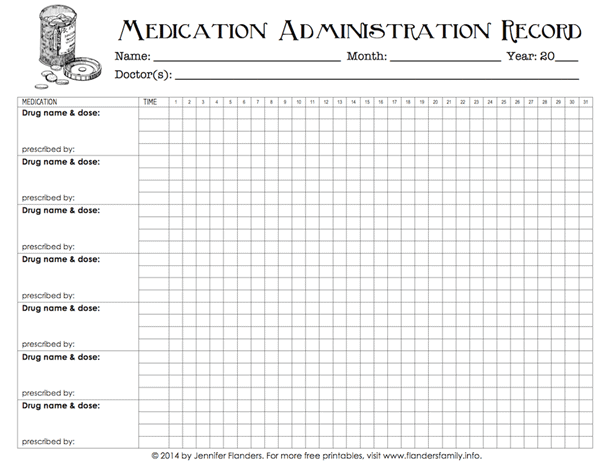
The second factor in managing medications at home is to have a way to keep track of administration.  Simple options include a calendar to mark off when medications are taken, or a daily administration record. They are available from some pharmacies, doctors’ offices, and the Internet, or a person can create their own. These charts can be posted on the refrigerator or other convenient location. Another option is a talking alarm which can be set to provide a reminder of when it is time to take your medication. See Figure 1 for examples of charts and alarms. People with smart phones can download an app which will provide reminders and allow tracking of when medications are taken.  Some examples include MediSafe and DoseCast.  (Treichler 2022)

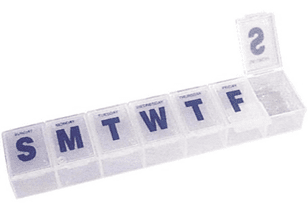
Pill containers are another option that help a patient that just needs to see if they have taken their medications (or not) each day to help keep track. Also, they can be filled ahead of time by caregivers so a person can maintain independence with taking medications each day. These containers come in a wide variety.  Most recognized are weekly containers with openings for 7, 14, or 30 days.  These can be filled with medications that are needed for each day.  Other pill containers are arranged with 4 administration times for each day of the week.  (Figure 2) 

Some high-tech products provide automatic dispensing of the medications when it is administration time.  Alarms sound when it is time to take the medication so the patient can press a button for the tablet(s) to be dispensed.  In this way, they prevent a person from opening up the containers when it isn’t time to take their medication.  In addition, some can be connected to the Internet to allow monitoring of medication dispensed remotely by caregivers who can’t be present for each administration time.   (Figure 3)

Individuals with low vision may benefit from larger print prescription labels. These can be request from most pharmacies.  Pill containers as discussed above are often labeled in Braille for the days of the week or administration times.  Other options are gadgets have been developed which are attached to prescription bottles or use a reading device programmed to provide talking prescription instructions.

Many pharmacies provide services that can be helpful in managing medications at home.  Pill packing services involve preparing a blister pack for each administration time for medications.  Often these are provided without additional charge.  Pill packing services can be arranged by some local community pharmacies, particularly stores that are independently owned.  Some mail order pharmacies also provide this service.

Another important service that community pharmacies provide is medication reconciliation and comprehensive medication review.  As the number of prescriptions and over-the-counter medications a patient takes increases, it becomes more likely that a medication is continued that is no longer needed, a drug-drug interaction is occurring, or administration instructions get confused between different medications.  Pharmacists are trained to review each medication to determine if any of these concerns are occurring and can work with providers to assure a patient is on an optimal medication regimen. Having fewer medications to take is another way to help with managing medications at home.  A medication reconciliation and review is recommended for all older adults each time a medication is prescribed.  (LeBlanc 2015)

In conclusion, health care professionals need to be aware of the many options for helping patients manage medications at home.  Medication education and reconciliation go hand-in-hand with tools and devices designed to keep medication administration safe and convenient for our older patients.

Figure 1: Examples of Alarms and Charts

Figure 2:  Pill Container Examples

Weekly Pill Container (Ex. 1)
Weekly Pill Container (Ex. 2)
Monthly Pill Container

Figure 2: Automatic Pill Dispenser Examples

Med-Q Pill Dispenser
MedMinder
Hero Pill Dispenser

References:

LeBlanc RG, Choi J.  Optimizing medication safety in the home.  Home Healthcare Now, 2015; 33:313-9

Treichler C.  The 10 best medication reminder apps for 2022. Onlinedoctor January 16. 2022.  https://www.onlinedoctor.com/best-medicine-reminder-apps/ .  Accessed April 12, 2022.

Zonsius MC, Myftari K, Newman M, Emery-Tiburcio EE.  Optimizing older adults’ medication use.  AJN, 2022; 122:38-43.

Filed Under: AGEC, Newsletter, UAMS

Collegiate Interprofessional Experiences for Improved Dementia Care Management

Spring 2022 Newsletter

This image has an empty alt attribute; its file name is UCA.jpg

By Michael Gallagher, PhD., Emily McIndoe, Robert Hogue, and Kerry Jordan, PhD, RN, CNS, CNL-BC
Department of Exercise and Sport Science and the School of Nursing
University of Central Arkansas

In the last 40+ years, the focus on patient health care has changed from a one-size-fits-all to a holistic and person-centered approach to therapy. This person-centered approach is now recognized as desirable as society moves away from reductionism and treating individuals simplistically to understanding and addressing the whole-person with regards to chronic diseases such as dementia (Greene et al., 201). The benefit of a holistic approach is care that not only applies to the person with chronic disease but also to their caretakers. Benefits also apply to the professional community through interprofessional education and collaboration.

There are six dementia care management programs used around the world that incorporate person-centered care and each of these programs includes some level of interprofessional education and collaboration ranging from care management teams of four to eight different professions. Nurses led many of these interprofessional teams. The professions for collaborative care in dementia may include nurses, physicians, counselors, psychologists, exercise specialists and therapists, occupational and speech therapists, and pharmacists (Dreier-Wolfgramm et al., 2017). However, depending on the program’s goals, care management programs do not need to include every profession for the program to be successful. For example, a person-centered approach may include collaboration among nurses, occupational or speech therapists, or just exercise specialists and speech therapists. The goals of the program dictate the number of professions involved. Care management programs for people with dementia not only help persons with dementia in the program but also may provide respite for the caretaker, further education on dementia, or both. Education for both persons with dementia and their caretakers may include signs of disease progression, approaches to slow disease progression, management of activities of daily living, management of episodes of forgetfulness and agitation, and how to stay connected and engaged with their loved one or client.

One of the most impactful pieces of information to provide those affected with dementia is that a person with dementia can live a high-quality life. The appreciation for providing a means to have a high-quality life is present in care management programs that focus on the person instead of the dementia diagnosis. Interprofessional collaboration achieves this united appreciation by providing a community that allows each profession to contribute to the benefit of an individual and/or caretaker. One such care management program, DementiaNet, highlights the role of interprofessional education to “increase collaboration, knowledge and skills acquisition” towards effective interprofessional collaboration (Oostra et al., 2021). Additionally, teams should provide access to varying levels of generalized and tailored care to promote physical, psychological, and social well-being improvements among persons with dementia (Kuipers et al., 2019). Collegiate interprofessional education can lead towards effective interprofessional collaboration as these soon-to-be professionals are able to apply the educational concepts from the classroom or online resources through the UAMS Arkansas Geriatric Education Collaborative to supervised real world situations. As a result, these students can further promote awareness of dementia and advocate to destigmatize the dementia diagnosis among persons with dementia, the caretaker, and the public. It is not every day that students get to experience and reflect on the impact they may have on persons with a chronic disease such as dementia. Those student experiences and subsequent reflections may be rewarding and open them up for a greater appreciation of the role of other professions, the benefits of collaborating in a person-centered approach to care, and potentially create new professional goals never considered before.

At the University of Central Arkansas, we recently conducted an 11-week interprofessional student-led clinic for people with dementia living in the community (S-TAP). We used three different professions in our program: exercise science, communication science, and nursing. Not only did this program demonstrate significant improvement in functional status for those who participated, but it also demonstrated significant impact on student attitudes toward people with dementia. As one student wrote after participating: “I feel I gained a greater understanding of older adults with dementia and learned how to connect with them better. My feelings toward them changed in the sense that I realized they are not completely helpless.”

References

Dreier-Wolfgramm, A., Michalowsky, B., Austrom, M.G., van der Marck, M.A., Iliffe, S., Alder, C., Vollmar, H.C., Thyrian, J.R., Wucherer, D., Zwingmann, I., Hoffmann, W. (2017). Dementia care management in primary care: Current collaborative care models and the case for interprofessional education. Zeitschrift für Gerontologie und Geriatrie, 50(Supplement 2), S67-S77

Greene, S.M., Tuzzio, L., Cherkin, D. (2012). A framework for making patient-centered care front and center. The Permanente Journal, 16(3), 49-53

Kuipers, S.J., Cramm, J.M., Nieboer, A.P. (2019). The importance of patient-centered care and co-creation of care for satisfaction with care and physical and social well-being of patients with multi-morbidity in the primary care setting. BMC Health Services Research, 19: 13

Oostra., D.L., Harmsen, A., Nieuwboer, M.S., Rikkert, M.G.M.O., Perry, M. (2021). Care integration in primary dementia care networks: A longitudinal mixed-methods study. International Journal of Integrated Care, 21(4): 29, 1-12

Filed Under: AGEC, Newsletter, University of Central Arkansas

UAMS PatientsLearn: Free Educational Programs for Older Adults and Caregivers

Spring 2022 Newsletter

logo

By Whitney Thomasson, MAP, CRS
Research Assistant
UAMS Arkansas Geriatric Education Collaborative (AGEC)

The Arkansas Geriatric Education Collaborative (AGEC) has worked in partnership with the UAMS Institute for Digital Health & Innovation (IDHI) via PatientsLearn to provide free, on-demand, virtual educational programs for older adults on a variety of topics such as disaster preparedness and social isolation. UAMS PatientsLearn is an online medical education hub, with a patient-centered approach for health and wellness resources. In total, 7 AGEC programs are available, ranging from about 25 minutes to 1 hour in length. These programs can be valuable educational tools for older adults, caregivers, and healthcare professionals for referral resources. Registration is free, simple, and available nationwide. Click here for our available programs via UAMS PatientsLearn.

  • Recognizing & Preventing Social Isolation: This program educates participants on both the warning signs and the effects of isolation and loneliness. Tips for prevention are shared, along with resources for both older adults and caregivers facing these issues.
  • Heart Health & Brain Health: This program helps viewers better understand the connection between heart and brain health. Risk factors and prevention measures for stroke, dementia, and heart disease are also discussed.
  • Eat Well Live Well: Through utilization of the Dietary Guidelines for Americans, this program defines terms about diet and nutrition, and highlights reliable dietary resources. Eat Well Live Well aims to guide older adults in developing healthy dietary patterns.
  • Understanding Dementia & Alzheimer’s Disease: This program was created for family caregivers and community members alike to gain awareness and knowledge about dementia and Alzheimer’s disease. Normal aging vs dementia is discussed, along with risk factors, the stages of Alzheimer’s disease, and dementia-friendly communication skills.
  • Understanding Opioids: The definition and examples of opioids are covered in this program, along with a background of the opioid epidemic and its effect on prescriptions. Best practices after receiving a prescription opioid are addressed, along with a variety of non-opioid pain management alternatives. Free chronic pain booklets are available for viewers.
  • Fall Prevention & Home Safety: In this program, viewers learn about how to identify and prevent the risk of falls, the physical and mental consequences of falling, resources for safety checks, and exercises for fall prevention. Tips for improving an older adult’s balance, as well as for improving home safety, are discussed.
  • Disaster Preparedness for Seniors: In collaboration with the American Red Cross, preparedness tips for many types of disasters (weather, climate, home fire/flood, etc.) are covered. Emergency kits, evacuation plans, as well as best practices for caring for a loved one with dementia in a disaster are covered in this program.


All of the above programs are available 24/7, at no cost, via UAMS PatientsLearn. Be sure to check back later in 2022 for additional programming. Please share these programs with older adults and caregivers in your circles who may benefit from this education!

Filed Under: AGEC, Newsletter, UAMS

  • «Previous Page
  • Page 1
  • Page 2
  • Page 3
  • Page 4
  • Page 5
  • Interim pages omitted …
  • Page 13
  • Next Page»
University of Arkansas for Medical Sciences LogoUniversity of Arkansas for Medical SciencesUniversity of Arkansas for Medical Sciences
Mailing Address: 4301 West Markham Street, Little Rock, AR 72205
Phone: (501) 603-1965
  • Facebook
  • X
  • Instagram
  • YouTube
  • LinkedIn
  • Disclaimer
  • Terms of Use
  • Privacy Statement
  • Legal Notices

© 2026 University of Arkansas for Medical Sciences